
Mortgage exam diagrams · Chapter 1 of 15
Loan math
Trace the first lien and a second loan against one property value.
Inspect the file

Borrower file
The lender uses $400,000 as the collateral value. The first mortgage is $300,000 and a separate closed-end junior loan is $40,000.
Illustrative photographs and simulated fileTest the diagram
Reduce only the junior lien. Track which ratio changes.
Work through the file
First-lien LTV uses only the first mortgage. Combined LTV includes both secured balances over the same $400,000 base.
Check the exam trap
Cash brought to closing can include fees. Using the entire cash amount as a down payment can give the wrong loan balance.
- LTV = $300,000 / $400,000 = 75%
- CLTV = $340,000 / $400,000 = 85%
Compare a second file
Now follow one $210,000 loan at 6% over 30 years. Move through the payment schedule to inspect how the same payment divides between principal and interest.
- P&I = $1,259/mo
3D exercise · Trace the financing on a house
Which balance belongs in the numerator?
- Closed-end second
- Use its outstanding secured balance for this CLTV file. Check the amount still owed rather than the amount originally borrowed.
- Open credit line
- A line limit and its drawn balance answer different questions. Check whether the file asks for CLTV or a high combined ratio that includes the full line.
One credit line, three ratios
A refinance file uses $400,000 of property value. The first mortgage is $280,000. A HELOC has a $60,000 limit and a $20,000 outstanding balance. The underwriter asks for LTV, CLTV and HCLTV.
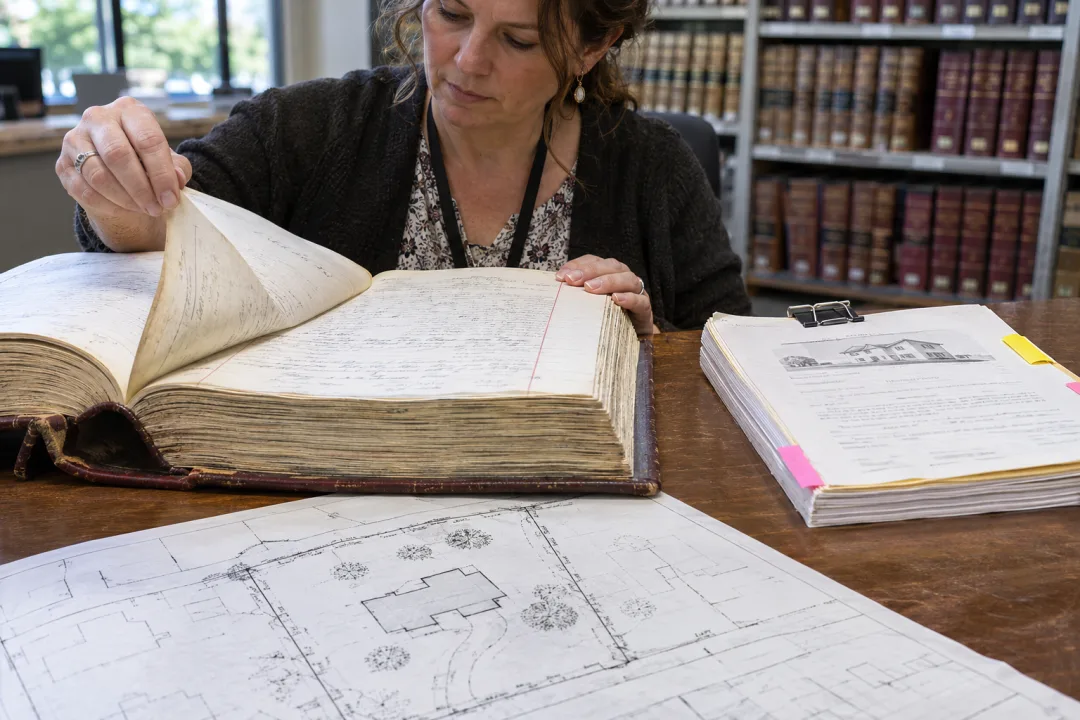
Which documents belong to the same collateral?
Read the evidence
Match the parcel and recorded liens first. Then obtain current balances and the authorized HELOC limit. The recorded documents identify the claims, while current statements supply the amounts for CLTV and HCLTV.
- First lien
$280,000 ÷ $400,000 = 70% LTV. Keep that denominator for all three calculations.
- Current exposure
The owners owe $300,000 across the two liens. Dividing by the property value gives 75% CLTV.
- Available exposure
Using the full line gives ($280,000 + $60,000) ÷ $400,000 = 85% HCLTV. The $20,000 draw is already part of the limit.
Make the decision
Change the facts
Practice by exam topic
Open a file, trace the decision rule and test it against the facts.
Fixed-rate mortgages
- File evidence
- A level-payment, fully amortizing fixed-rate borrower sees the total monthly bill rise after an escrow analysis.
- Decision rule
- The scheduled principal-and-interest payment is level under the note. The mix shifts from interest toward principal over time. Taxes, insurance and other escrow amounts can change.
Purchase-money seconds and balloon mortgages
- File evidence
- A purchase uses an 80% first lien and a 10% seller-held second with a five-year balloon.
- Decision rule
- A purchase-money second supplies acquisition financing in junior lien position. A balloon can leave a large balance due at maturity even when scheduled installments are current.
Home equity lines of credit
- File evidence
- A revolving line has a $70,000 limit, $20,000 drawn and a variable rate.
- Decision rule
- Distinguish the draw period from repayment. Available credit can differ from outstanding debt. Compare minimum payment requirements after the draw period ends.
Appraisals: purpose, approaches, timing, independence
- File evidence
- An underwriter has recent comparable sales, rents on an investment property and a replacement-cost estimate.
- Decision rule
- Match comparable sales, income capitalization and cost less depreciation to the assignment. Protect valuation independence. For a covered first-lien dwelling application, provide copies promptly upon completion or three business days before consummation, whichever is earlier, subject to permitted waiver rules.
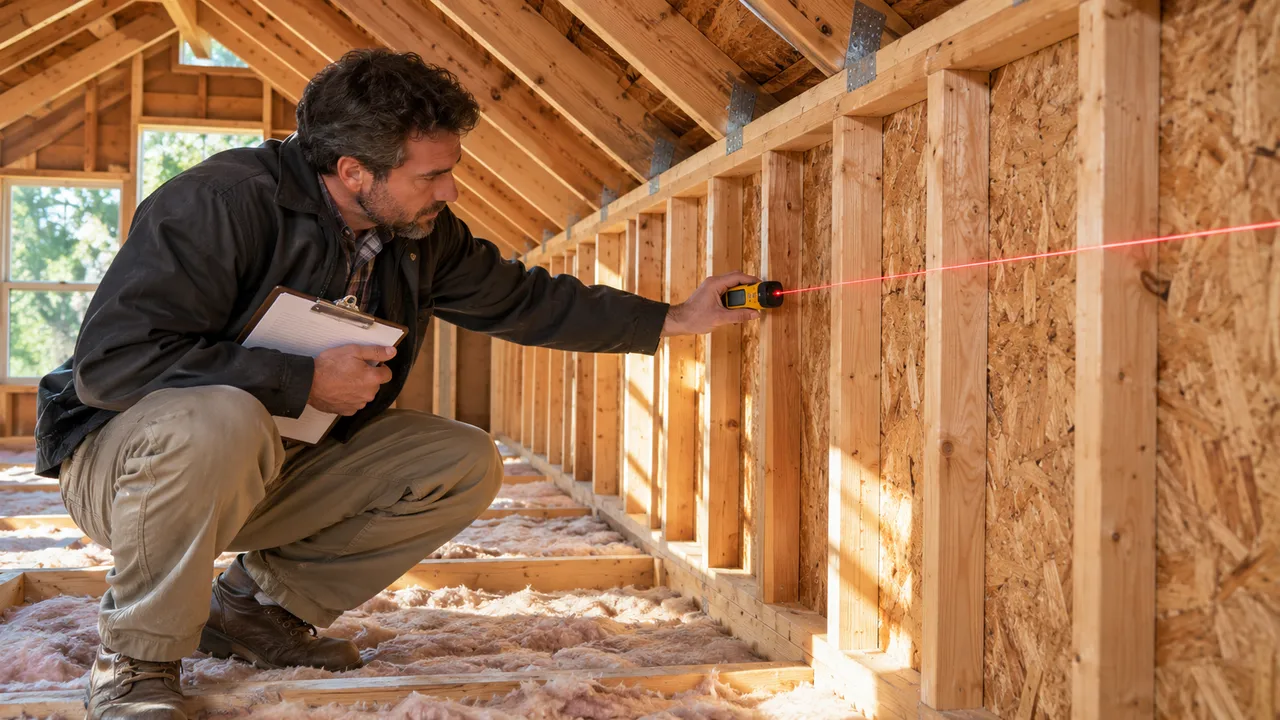
What does a physical measurement support?
Read the evidence
Field measurements and condition observations inform the valuation. Market evidence and the appropriate valuation approach are still needed to support an opinion of value.
Periodic interest
- File evidence
- A $180,000 principal balance bears 6% simple interest. The contract uses a 360-day year for this exercise.
- Decision rule
- Daily interest equals principal × annual rate ÷ day-count basis. Multiply by the specified number of days. For a monthly periodic rate under a 12-period convention, divide the annual rate by twelve.
Payments, down payments, closing costs, prepaids
- File evidence
- On a $250,000 purchase the loan is $200,000. Closing costs and prepaids total $8,000, earnest money already paid is $5,000 and a permitted seller credit covers $3,000 of costs.
- Decision rule
- Start with the down payment, add remaining charges and subtract applicable credits and deposits exactly once. Seller contributions for closing costs are distinct from borrower equity.