
Free lab
From paychecks to monthly income
Arrange a year of biweekly paychecks and find the monthly average used in the file.

Start with a borrower’s situation. Test your prediction in 3D, then use what you found to solve a new loan file and an exam question.
Start the free payroll lab →Arrange a year of biweekly paychecks and find the monthly average used in the file.

Add a recurring debt to the housing payment. Watch the share of gross income committed to debt change.

Shift the down payment on a fixed-price home and see the financed share shrink.

See how an extra principal payment changes next month’s interest.

Credit the earnest-money deposit against the buyer’s remaining cash.

Set the number of tax installments collected at closing.

Replace part of the buyer’s cash with a second mortgage.

Shorten a payment and follow the unpaid interest back into principal.

Allocate an explicit debt budget between existing bills and a proposed housing payment.

Compare rate sheets and convert a percent credit into dollars due at closing.

Turn the calendar from mailing to presumed receipt and mark which days count.
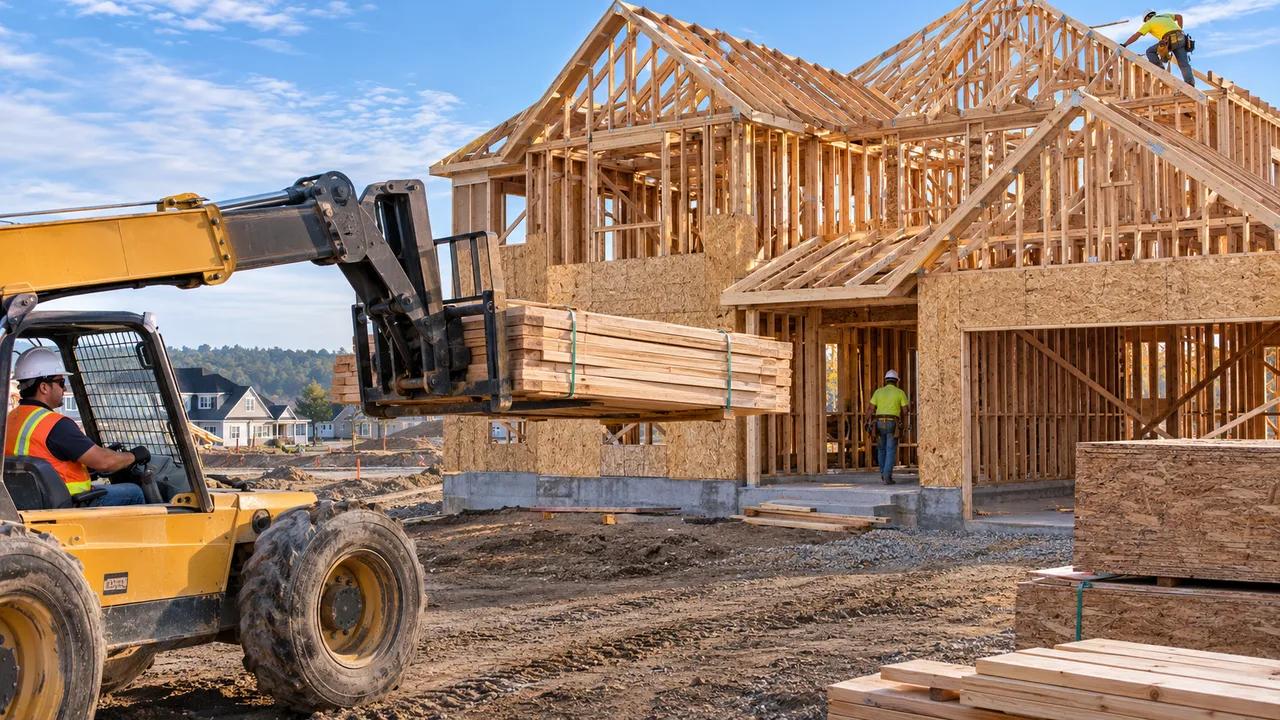
Move the second advance through a 30-day interest period.

Advance the holding period until interest savings recover a point.

Combine a full insurance premium with per-diem interest.

Accrue the same loan on 360-day and 365-day bases.

Move the market index past a contractual cap. Compare the fully indexed rate with the rate the note permits.

Infer an annual interest rate from an interest-only payment.

Lower the index until the contractual minimum binds.

Move the final payment past twice the regular amount and inspect the boundary.
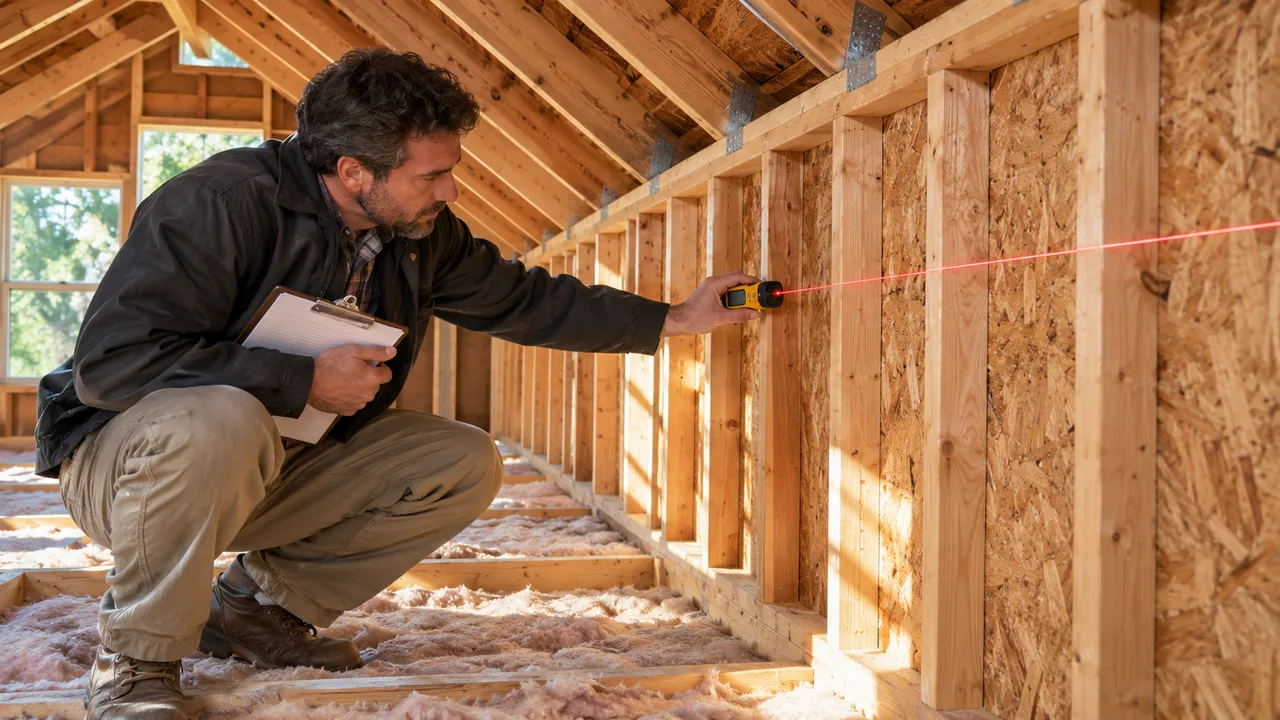
Compare a requested target value with a documented error before contacting the appraiser.

Allocate paper notices to the entitled owners and inspect each delivery packet.

Edit a headline and see which credit terms trigger additional advertising disclosures.

Follow a county invoice into the correct section on page two of the Closing Disclosure.
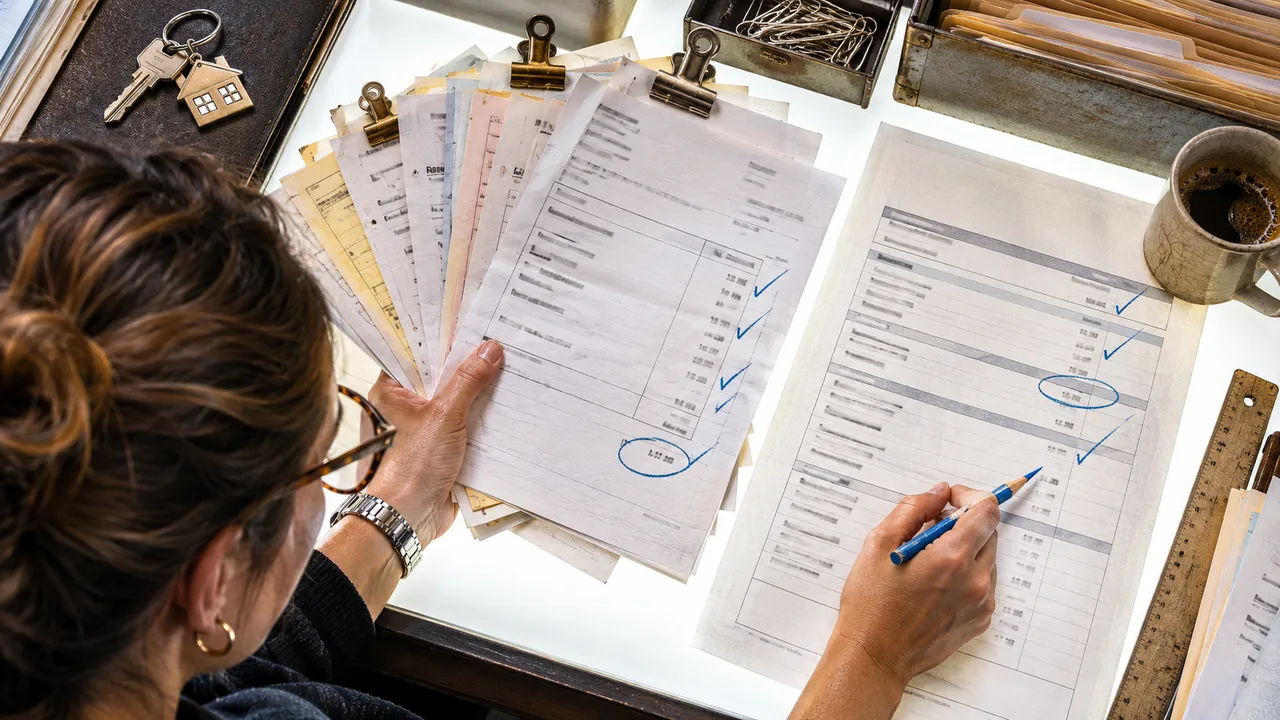
Adjust a recording fee and compare the combined charges with their permitted ceiling.