
Mastering ethical decision-making scenarios is the single most effective way to secure your real estate license and protect your future career from legal liability. If you are a test-taker struggling with ambiguous "what should the agent do next" questions, this guide provides the analytical framework needed to select the correct answer on exam day. I will explain how to interpret your score report from providers like PSI or Pearson VUE, and how to build a recovery plan based on the specific passing score by state and retake rules.
Deciphering Ethical Scenarios: How to prioritize fiduciary duties over personal instincts in "what next" questions.
Advertising Red Flags: Identifying common violations in name display and team branding that state commissions target.
Score Report Analysis: Understanding the difference between raw percentages and scaled scores to fix weak spots.
Strategic Retakes: Navigating split-exam passing rules and deadlines to avoid restarting from scratch.
Review your diagnostic report: Identify exactly which categories caused you to lose points (e.g., Contracts, Disclosures).
Memorize the "Chain of Duty": In every scenario, place the law and public honesty above client instructions.
Verify your state's specific numbers: Know the exact deadline for reporting convictions and the time limit for retaking a failed section.
Check advertising compliance: Ensure you can identify blind ads and know the rules for font sizes regarding broker identification.
Schedule your retake immediately: Do not let the information fade; book your next exam while the material is fresh in your mind.
Decoding the "What Should the Agent Do Next?" Trap
I have noticed that the section causing the most anxiety for candidates is not the math, but the ethics scenarios. These questions present a situation that feels subjective, yet the state commission requires a very specific, objective response. The trap lies in confusing "moral goodness" with "fiduciary duty."
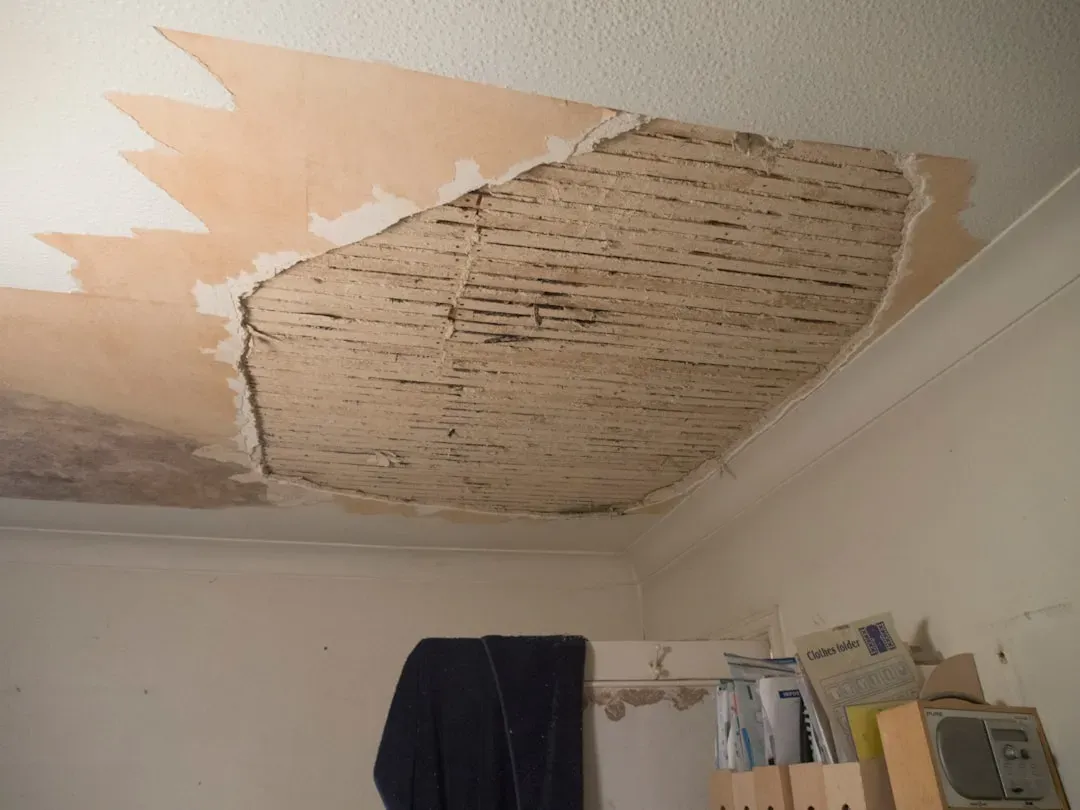
In many exams administered by Pearson VUE or PSI, you will encounter a scenario where a client asks you to do something that seems harmless but violates a statute. For example, a seller might ask you to withhold a "minor" roof leak from a buyer to avoid scaring them off. Your instinct might be to consult your broker or try to fix the leak yourself. However, the correct "next step" is almost always to disclose the material fact immediately or refuse the listing if the client insists on concealment.
The mechanism here is the hierarchy of duty. You owe honesty to all parties, even if you owe loyalty only to your client. When these conflict, the law (disclosure of defects) trumps the client's instruction. If you hesitate on this principle, you will fail these questions. Industry data suggests that candidates who focus on the "Chain of Command" (Law > Broker instructions > Client requests) perform significantly better on these sections.
Common Advertising Pitfalls That Kill Your Score
Advertising regulations are a minefield on the state portion of the exam. State regulators are obsessed with "blind ads"—advertisements that do not clearly identify the brokerage firm. I see many candidates lose points because they focus on the agent's creativity rather than compliance.
A classic exam scenario involves an agent placing a "For Sale" sign or a social media post using only their first name and a cell phone number. The question asks for the violation. The answer is rarely about the content of the ad itself, but rather the verification steps for identity. The public must be able to verify who holds the license.
According to regulatory guidelines in states like Texas and Arizona, a sales agent's name cannot imply they are the broker. If an ad uses terms like "Smith Realty Group" when Smith is just a salesperson, it is a violation. You must look for answers that demand the inclusion of the employing broker’s name or a specific disclaimer. The impact of getting this wrong is severe because advertising laws protect the public from fraud. Your countermeasure should be to memorize your specific state's requirements for font size and placement of the broker's logo relative to the agent's name.

Interpreting the Score Report: It’s Not Just a Number
When you receive your score report, it is easy to fixate on the final result. However, I believe the real value lies in the diagnostic breakdown. PSI and Pearson VUE handle reporting differently, and understanding this distinction is vital for your study plan.
In states like Pennsylvania, you might see a "scaled score" ranging from 0 to 100, where the passing threshold is not a simple percentage of questions answered correctly. A scaled score weights questions based on difficulty. This means you cannot simply calculate that you need 56 out of 80 correct. You need to perform well on the heavily weighted sections, which often include Agency and Ethics.
If you fail, the report usually highlights your performance by category. Do not ignore this. If your report shows a "Low" or "Below Threshold" proficiency in "Practice of Real Estate" or "Disclosures," that is your roadmap. I recommend ignoring the sections where you scored "High" and dedicating 80% of your remaining study time to the weak areas identified. This targeted approach is far more efficient than re-reading the entire textbook.

The Strategic Retake: Rules You Must Know
Failing the exam is frustrating, but failing to understand the retake rules can be disastrous. Rules vary wildly by jurisdiction. In Idaho, for instance, if you pass the national portion but fail the state law section, you typically have one year to pass the failed portion before the first score expires. In other states like Kansas, that window might shrink to six months.
You must verify whether your state allows "split passing." If it does, you only need to study for the section you failed. This is a huge advantage. However, if you let the time lapse, you will be forced to retake both parts and pay the full fee again.
To avoid this, you need a study tool that adapts to these specific needs. I have found that using a targeted resource like State-Specific Prep helps candidates isolate the exact state statutes they missed, rather than wasting time on national concepts they have already mastered. This type of focused preparation is essential when the clock is ticking on your passed section.
Verification Steps and License Integrity
The exam is not just a test of knowledge; it is the first step in the state's verification steps for licensure. Many questions regarding ethics actually test your understanding of the application process itself.
For example, you might see a question asking what an agent must do if they are convicted of a felony after receiving their license. The answer usually involves notifying the state commission within a specific timeframe (often 30 days). This tests your understanding that licensure is a continuous state of compliance, not a one-time achievement.
Furthermore, background checks and fingerprinting are part of this ethical verification. If an applicant lies about a past misdemeanor on their application, the commission can deny the license based on "lack of honesty, truthfulness, and integrity," even if the applicant scores 100% on the exam. The lesson here is clear: transparency is the core of the ethics curriculum.

FAQ
What is the typical passing score for the real estate exam?
The passing score varies significantly by state. While a raw score of 70% to 75% is common (e.g., Arizona requires 75%), many states use a scaled score system where the passing threshold is determined by the difficulty of the specific exam version you take.
If I fail the state portion, do I have to retake the national portion?
It depends on the retake rules of your specific state commission. Many states allow you to bank a passing score on one section for a limited time (usually 6 to 12 months), allowing you to retake only the failed section.
How do I handle "what should the agent do" questions if two answers look right?
Always prioritize public protection and written law over business courtesy. If one answer involves disclosing a risk to a customer and another involves consulting a broker, the disclosure is usually the immediate ethical requirement tested by PSI or Pearson VUE.
Can I appeal my exam score if I fail by one point?
Technically, yes, but successful appeals are extremely rare. Most score report challenges only verify that the computer counted correctly. It is far more productive to review your diagnostic report and prepare for a retake.
Conclusion and Actionable Suggestions
Passing the real estate exam requires shifting your mindset from "salesperson" to "fiduciary." The ethics and advertising sections are designed to weed out agents who might become a liability to the public. To ensure you pass on your next attempt, follow these steps: