
Passing the California real estate exam is the single biggest hurdle standing between you and a lucrative career, and let's be honest—it is not an easy test to clear on the first try. If you are an aspiring agent aiming to secure your CA real estate license in 2026, you need more than just a textbook; you need a strategy that targets the specific logic of the Department of Real Estate (DRE).
Here is what you need to focus on to pass:
- Breaking down the 7 major content areas mandated by the DRE
- Why understanding "Agency" is the secret weapon for passing
- How to use mock exams to build endurance for the 3-hour time limit
- A strategic approach to handling state-specific content and financing questions
The 2026 Exam Landscape: It's More Than Just Vocabulary
Many candidates walk into the testing center thinking they can survive on rote memorization of terms like "escheat" or "ad valorem." That is a mistake. The 2026 California real estate exam has evolved to test your ability to apply these concepts in real-world scenarios.
Exam Details for California:- Questions: 150 multiple-choice
- Time: 3 hours 15 minutes
- Passing Score: 70% (105 correct answers)
The difficulty isn't just the volume of questions; it's the distribution of topics. The DRE explicitly weighs certain sections heavier than others:
| Content Area | Weight |
| ------------- | -------- |
| Laws of Agency and Fiduciary Duties | ~17% |
| Property Ownership and Land Use | ~15% |
| Contracts | ~12% |
| Financing | ~13% |
| Transfer of Property | ~9% |
| Practice of Real Estate | ~24% |
| Other Topics | ~10% |
This means nearly one-third of your entire score comes from just two categories. If you are spending all your time memorizing math formulas for commission splits but ignoring the nuances of fiduciary duty, you are setting yourself up for failure.
Mastering the "Agency" Beast
If there is one section that trips people up, it is Agency. It sounds simple—you represent a client—but the California laws surrounding this are dense.

The exam questions here are often situational. They won't just ask "What is a fiduciary?" Instead, they might present a scenario where a broker acts as a special agent and ask you to identify the breach of duty based on specific actions.
Key Agency Concepts to Master:- Fiduciary Duties: Understand the difference between the duty of care owed to a client versus the duty of honesty owed to a non-client
- Disclosure: A significant percentage of lawsuits and exam questions revolve around failure to disclose material facts
- Negligence: Understanding the line between professional negligence and fraud is critical
- Actual vs. Ostensible Agency: Know the difference between a general agent and a special agent
If you can't explain these distinctions to a friend, you aren't ready for this section.
Property Ownership and Land Use Controls
This is the second pillar of your exam prep. You cannot sell real estate if you don't understand what "ownership" actually entails.
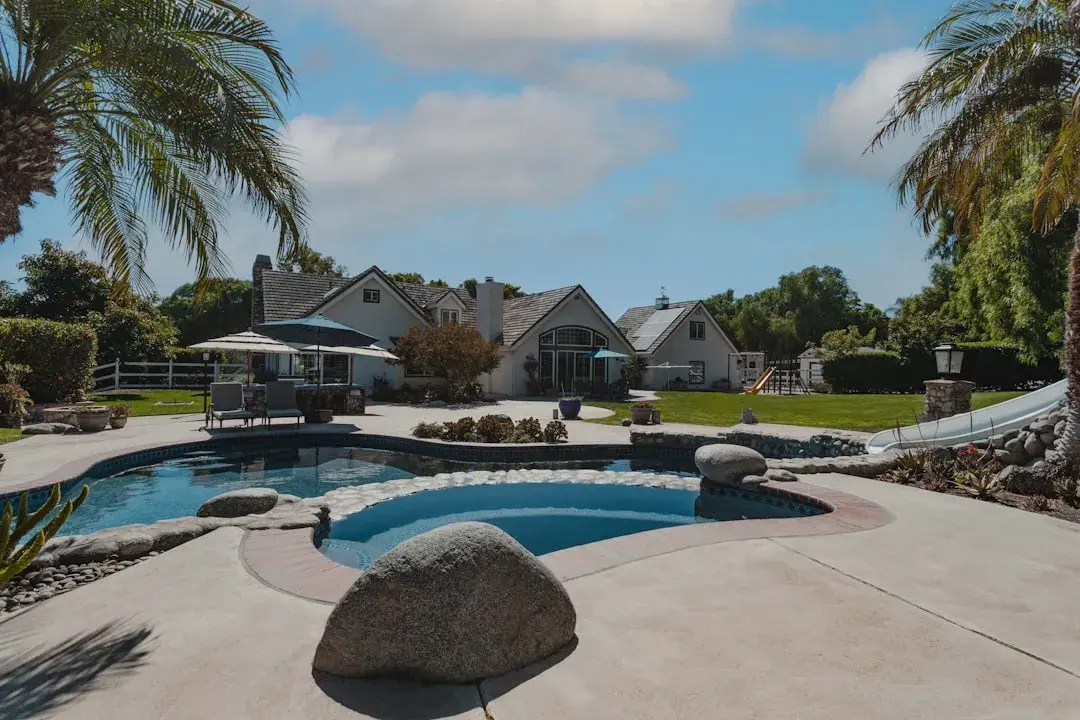
I recommend visualizing these concepts. Don't just read about a "joint tenancy"; imagine a scenario where one owner dies. What happens to the property? If you immediately thought "right of survivorship," you are on the right track.
The Strategy for Practice Questions and Mock Exams
Taking a practice exam is useless if you don't analyze why you got an answer wrong. A common pattern I see in failing candidates is that they take exam after exam but never review the explanations.
Mock Exam Tips:- Simulate the Fatigue: Sit for a full 150-question mock exam at least twice before the real day. The mental drain at question 120 is real.
- Time Management: You have roughly 1.2 minutes per question. If you get stuck on a math problem, flag it and move on.
- State-Specifics: Ensure your mock exams are tailored to California. National generic questions won't help you with specific CA disclosures or the Transfer Disclosure Statement (TDS).
This is where platforms like EstatePass act as an efficient solution. By exposing yourself to a massive variety of question formats—from financing logic to contract law—you condition your brain to spot the "distractor" answers.
Financing and Contracts: The Technical Details

While Agency is conceptual, Financing and Contracts are technical. You need to know your documents.
Contracts: Review the essentials of a valid contract—competent parties, mutual consent, lawful object, and consideration. The exam loves to ask about "void" vs. "voidable" contracts:- A contract signed by a minor is voidable
- A contract for an illegal act is void
- Know the difference between the primary mortgage market (where loans are originated) and the secondary mortgage market (where loans are sold)
- Understand how the Federal Reserve influences rates
- Know why a lender charges points
- Understand how the Truth in Lending Act (Regulation Z) affects advertising
California Real Estate Exam FAQ
How many questions are on the California real estate salesperson exam?The exam consists of 150 multiple-choice questions. You will have 3 hours and 15 minutes to complete it.
What is the passing score for the CA real estate license exam?You need a score of 70% or higher to pass. This means you must answer at least 105 questions correctly.
Are the questions the same every year?No. The DRE constantly updates the question bank. While the core topics remain consistent, the specific scenarios and wording change to reflect current laws and market practices.
How long should I study before taking the exam?Most successful candidates dedicate 4 to 6 weeks of consistent study after completing their required coursework. I suggest a daily routine of reviewing notes and taking at least 20-30 practice questions.
Is there a lot of math on the exam?Real estate math is present but usually accounts for only 10-15% of the questions. Focus on mastering the legal and conceptual topics first, as they carry more weight.
Your Action Plan to Get Certified
Passing the California real estate exam in 2026 requires a shift from passive reading to active problem-solving. You are not just memorizing facts; you are learning to think like a licensed professional.
- Download the DRE Examination Outline: Use the official breakdown to guide your study time, focusing heavily on Agency and Property Ownership.
- Schedule "Mock" Days: Once a week, take a timed practice exam without interruptions to build your mental endurance.
- Review Every Wrong Answer: Don't just check your score. Read the explanation for every mistake to understand the underlying legal principle.
- Master the Vocabulary: Create flashcards for terms that have specific legal meanings in California, such as "ostensible agency" or "lis pendens."
- Utilize Digital Tools: Incorporate adaptive testing platforms into your daily routine to identify and fix your weak spots efficiently.
Ready to start your California exam prep? Take a Free Practice Exam →